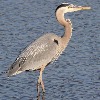
Among the most common and widespread big birds in North America, Great Blue Herons inspire beginning birders, children, non-birders and veteran birders alike. Any such tall bird with a long pointed beak and an expansive wingspan commands the attention of people and all small animals. Witnessing the activities at a large nesting colony is both exciting and impressive. At first, it’s surprising to find them nesting in tall trees in rather flimsy looking stick nests, but to see several of these grand birds in flight at once, coming and going from nests where nestlings stand waiting to be next to be fed is inspiring for anyone.
BIRDS OF THE WEEK
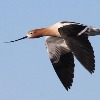
Among the most beautiful and graceful-looking shorebirds, American Avocets are also one of the most aggressive when any animal or person enters their territory or comes too close to their nest or hatchlings. Avocets conduct intense and vociferous flight attacks to chase intruders away, sometimes mixed with Killdeer-like broken wing displays.
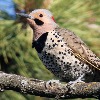
Northern Flickers emit a loud wonderful call of the wild and are the most common and widespread woodpeckers in North America. Flickers are specialized woodpeckers that are much more ground-oriented than other species, especially because they feed on ants. Flickers eat more ants than any other American birds. Like other woodpeckers, flickers are important cavity-creators for the 88 species of cavity-nesting birds, plus cavity-roosting birds and other small animals.
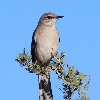
One of the most storied songbirds, Northern Mockingbirds are best known for learning and repeating other species’ songs, other mockingbirds’ repertoires and some non-avian local sounds. Some mockingbirds are known to sing more than 150 different songs, a few have been documented with more than 200 different songs and all mockingbirds appear to continue to learn new songs throughout their lifetimes.
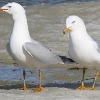
When most people go to the beach, they see “seagulls.” When birders go to the beach, they see Ring-billed Gulls, Herring Gulls, Western Gulls, Franklin’s Gulls, Laughing Gulls, California Gulls, Bonaparte’s Gulls – you know what I mean. You can see gulls along most of our waterways in the United States and Canada, and identifying different species of gulls is quite fun for most of us (a bit frustrating for some). One of the most widespread and common species of gulls are Ring-billed Gulls, but how much do you really know about Ring-billed Gulls?
It’s always fun to watch the progress of Great Egrets as they wade through shallow water hunting for small fish and tadpoles, but for real excitement, visit a Great Egret nesting colony to experience the sights and sounds of these interesting wading birds displaying and calling, building nests, flying back and forth with food or protecting growing nestlings.
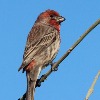
House Finches are one of the most common birds at feeders and in the field across the United States, but their distribution and ecology have been dramatically altered by people. Historically a bird of dry habitats in Mexico and the American Southwest, these colorful finches were popular with pet dealers who marketed them as “Hollywood Finches” in the early 1900s.
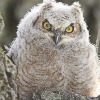
Great Horned Owls are among our most successful, wide-ranging and most adaptable species. One of the largest owls, Great Horned Owls are the only New World members of the eagle owls.
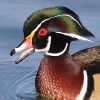
Wood Duck drakes are considered among the most beautiful birds in the world. Their colorful plumage is spectacular, not to mention iridescent, and it’s all set off by a spectacular oversized crest, and bright red eyes. The life history of Wood Ducks is equally impressive, if not surprising.