
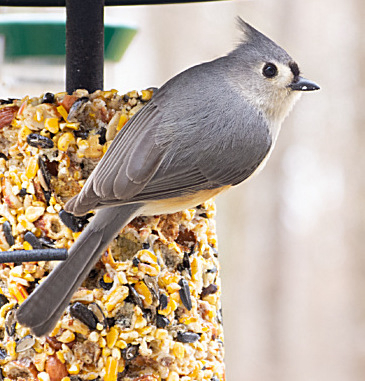
 FeederWatch participants are also encouraged to share photos of the birds they see, such as this Tufted Titmouse (photo by Bob Vuxinic).
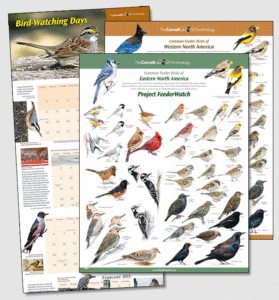 Part of the FeederWatch kit provided for participants.
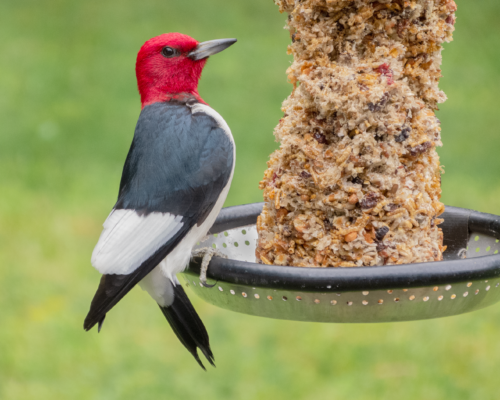 Share information about the birds in your yard by joining Project FeederWatch this season (Red-headed Woodpecker photo by Bob Vuxinic).
|
Birders are excited the Project FeederWatch season is about to begin, running November 1st thru April 30th, a program that turns your interest in feeding birds into scientific discoveries as participants survey birds that visit backyards, nature centers, community areas, and other sites in the United States and Canada. Your counts allow you to track what is happening with birds around your home while you contribute to a continentwide data-set of bird distribution and abundance. The schedule is completely flexible; count birds for as long as you like on days you choose, then enter your list of birds and the numbers counted for each species online.
Because FeederWatchers count the number of individuals of each species they see several times during the winter, FeederWatch data are extremely powerful for detecting and explaining gradual changes in the winter range and abundance of many species. In short, FeederWatch data are important because they provide information about bird population biology that cannot be detected by any other available method.
You don’t even need a feeder to participate! All you need is an area with plants and trees, habitat, water, or food attracts birds. But heck, put up a feeder too; most people have feeding stations that provide a variety of winter foods to attract a diversity of birds. As a program that engages participants across North America, Project FeederWatch is accessible and welcoming to every person. FeederWatch is conducted by people of all skill levels and backgrounds, including individuals, children, families, classrooms, retired people, scout troops and other youth groups, nature centers, and birding clubs. Project FeederWatch is operated by the Cornell Lab of Ornithology and Birds Canada, and it’s sponsored by Wild Birds Unlimited.
When you join FeederWatch you will receive: Tools to track the birds you identify and count on the official website or mobile app, the FeederWatch year-end summary: Winter Bird Highlights; digital access to Living Bird magazine; a poster of eastern and western common feeder birds; and a Birding Days calendar to help you keep track of your FeederWatching days.
Project FeederWatch is supported almost entirely by its participants, who pay the annual participation fee of just $18 for American residents ($15 for Cornell Lab members); Canadian participates make a donation to Birds Canada. These contributions cover materials, staff support, website updates, data analysis, and the year-end report (Winter Bird Highlights).
The Most Important Results
When thousands and thousands of FeederWatchers in communities across North America count birds and send their tallies to the FeederWatch database, the result is a treasure trove of numbers, which FeederWatch scientists analyze to describe winter bird abundance and distribution.
With each season, FeederWatch increases in importance as a unique monitoring tool for more than 100 bird species that winter in North America. FeederWatch data show all the bird species visit feeders at thousands of locations across the continent every winter. The data also indicate how many individuals of each species are seen. This information can be used to measure changes in the winter ranges and abundance of bird species over time – weekly, monthly, annually, and over decades.
What sets FeederWatch apart from other bird monitoring programs is the detailed picture that FeederWatch information provides about weekly changes in bird distribution and abundance across the United States and Canada. Importantly, FeederWatch data tell us where birds are as well as where they are not found. This crucial information enables biologists to create the most accurate population maps that relate seasonal and historic changes.
To learn more about Project FeederWatch, and to join the fun and excitement as a FeederWatcher, see Project Overview - FeederWatch
Share your backyard birding experiences and photos at editorstbw2@gmail.com