Birding Wire

BACKYARD BIRDING

The southern tier of states from southern California to Florida offers a variety of different winter feeding station options that include providing hummingbird nectar and fruit in addition to seeds and suet – plus fresh water to satisfy the interests of resident, migrating, and wintering species. The wide variety of Sunbelt birds ranges from Anna’s Hummingbirds to Cactus Wrens and Green Jays to Painted Buntings, joined by wintering birds to make Sunbelt feeders all the more exciting, whether you are a Sunbelt resident or a “snowbird” who spends the winter in a warmer clime.

Read Full Release →
Wednesday, December 10, 2025

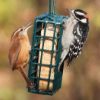
Suet is a staple bird food year-round, but it becomes particularly important for birds that spend winter months in colder latitudes where they need high-calorie foods. Suet is so easy to provide, its especially economical – and suet is so important for birds seeking high-energy food. Suet is the first standard food we suggest for any feeding station. Even if you don’t want a full feeding station, we encourage people to add a suet feeder to a location where they can watch the attraction it has for birds during winter, and year-round.

Read Full Release →
Wednesday, December 3, 2025

So often, we are satisfied with “close” looks at the birds that visit our feeders and birdbath close to our favorite window, but regardless of how close a view you have, try taking an even closer look – with binoculars. Try it once and you will be hooked at viewing birds at your feeders and bird bath with binoculars. If you already use your binoculars at home, you know what a difference it makes to view a bird perched at a feeder at 8x magnification! That’s especially true when it’s a new visitor to arrive at a feeder during late fall and early winter – or even a new bird you haven’t seen in your yard before.

Read Full Release →
Wednesday, November 26, 2025

It’s especially fun to add a window feeder to complement your feeding station because you get much closer views of birds. If you already have a window feeder, you know how it can change the way you look at feeding birds, literally, and it can renew your interest in some birds. If you haven’t tried a window feeder yet, you will really enjoy the experiences a window feeder provides when you get closer looks at birds. If you choose a window seed feeder to bring cardinals and finches closer, or a window suet feeder to get closer looks at woodpeckers, you will find that window feeders are really underappreciated.

Read Full Release →
Wednesday, November 19, 2025

Take it one nest box at a time, or make an afternoon of it, but if you haven’t already prepared your next boxes to be ready for spring nesting activities – especially nest site selection – it’s a good bet to take a look at your birdhouses. Whether you specialize in nest boxes for cavity nesting songbirds, or if you have a big nest box or 2 for cavity nesting owls and ducks, fall is a prime time to do some simple “housekeeping,” make any repairs, and you may even think about adding a new birdhouse.

Read Full Release →
Wednesday, November 12, 2025

Saturday morning was filled with surprises! For starters, the season’s first snow covered the ground in a bright white background that emphasized the elements of my feeding station and the birds that were much more active and varied than usual. In fact, there were 5 more surprises to witness – a first of fall Redpoll, Red-breasted Nuthatch, and Cedar Waxwing, plus a Dark-eyed Junco that was the first junco to feed on my platform feeder. It was also the first time 4 Blue Jays arrived at once – how exciting! This was indeed the kind of payoff I’ve been hoping for, and the kinds of surprises you can look forward to.

Read Full Release →
Wednesday, November 5, 2025

Ultimately, the types of seeds you provide at your feeders will dictate what birds you will attract. Knowing this, experienced birders narrow the seeds they provide to seeds with the best food value, that will also attract the species of birds they prefer. It’s equally important to avoid seeds that attract unwanted birds that can overpower your feeding station. It's natural to think the more variety the better, but some seeds can lead to problems with domineering birds, squirrels, and other rodents. Sometimes it takes a bit of personal research at your own feeding station, which can be part of the fun.

Read Full Release →
Wednesday, October 29, 2025

Water is a vital resource for birds any day, even during cold winter weather. Providing winter water during freezing temperatures will require a heated bird bath with an electric thermostat, but if you already use a heated bird bath as part of your feeding station or landscaping, you know the value of this product as a bird magnet and as an important benefit for birds. Lucky sunbelt birders who never have ice in their bird baths may want to use a dripper or mini-fountain in your existing bird bath, because the sound of water will help birds find your water source initially.

Read Full Release →
Wednesday, October 22, 2025

Northern finches make up a significant number of species that visit feeders during fall and winter, including Purple Finches, Pine Siskins, Redpolls, Red Crossbills, and other impressive finches along with unrelated Red-breasted Nuthatches, Blue Jays, and Bohemian Waxwings. For many of us, it’s a special thrill if such exciting birds as Evening Grosbeaks or White-winged Crossbills find our feeding station, and many birders will travel to have a chance to see Pine Grosbeaks or Bohemian Waxwings when the opportunity arises. Every year is different, dictated by seed and berry production by trees in the boreal forest.

Read Full Release →

With Project FeederWatch beginning in just 2 weeks, it’s time for last minute sign-ups. It’s also the best time to start a feeding station at school to involve classes of students to learn about birds. And the luckiest students have a teacher who helps them participate in the fun of FeederWatch as an associated activity to a science class or biology class. A couple bird feeders can add to the learning experience of any age group of students, ranging from preschool through college, and the activity will improve their connection to the nature that surrounds them.

Read Full Release →

When we look back on when we started feeding birds, like many birders we bought a plastic bag of mixed seeds that included a lot of millet, red milo, and cracked corn at the hardware store. But that was before the true advent of feeding wild birds. Today, birders in the know ignore these seed mixes and, realistically, buying bird food today is much easier. We know that by simply providing black oil sunflower seeds we will attract 95 percent of the seed-eating birds we all prefer to see in our yard, and by providing fresh water we will potentially attract and benefit all birds.

Read Full Release →
Wednesday, October 1, 2025

As temperatures cool during fall, some birds begin to use nest boxes as overnight havens – as “roost boxes” – and they use these boxes increasingly as winter-like weather approaches. This has long been a secondary use of nest boxes, but during recent years some birders and nest box builders have improved the process in small but excellent ways to serve cold-weather birds by building a focused roost box. A roost box can be a great way to attract some favorite birds to your yard or property, and who wouldn’t want to provide a roost box for a small owl, bluebirds, or chickadees to name a few of the birds that may benefit.

Read Full Release →

Birders have participated in Project FeederWatch for nearly 40 years to help monitor the numbers and species of birds visiting their feeding station or another location where they choose to contribute information about the wintering birds they see. Contributed from across North America, our observations comprise a one of a kind collection of information that provides unique insights into the lives of backyard birds. If you are already a contributing member of Project FeederWatch you already know how fulfilling and fun it is to contributing to this citizen science endeavor.

Read Full Release →
Wednesday, September 17, 2025

After morning rain and in advance of an afternoon gloom, the sun beamed through for almost 15 minutes Saturday, providing the chance to take a few Ruby-throated Hummingbird photos at and near my feeding station outside my bay windows. When the sun first broke through, I had to double-check to see if I was actually seeing sunshine, then grabbed my camera and headed outside to stand in just the right spot to photograph. I waited a few moments before a hummingbird appeared above the feeder and provided a chance to take a series of rewarding photographs.

Read Full Release →
Wednesday, September 3, 2025

Everyone selects and positions their feeders in their own way, but as a feeding station takes shape, we all eventually need to organize, or even re-organize as our feeders increase and our primary water feature shares a part of our seasonal menu for birds. A feeding station is a very personal creation made up of a variety of feeders to provide the foods that attract and benefit the birds you wish to see and study, usually at home. but potentially also at work or school. Feeding stations tend to evolve over time, and organizing your feeders helps to make a feeding station more attractive.

Read Full Release →
Wednesday, August 27, 2025

It’s an exciting time for birders, and it will get even better during September and October! As we look ahead, what birds would you like to attract during fall migration? What do they eat? There is an exciting period of fall feeding station activities ahead – for you and for birds. We emphasize the idea that there is a chance that some birds that arrive as migrants may be encouraged to stay longer if they find a dependable source of food and fresh water. But to attract birds initially, you will want to offer a variety of food choices, because you never know which birds will stop by next.

Read Full Release →
Wednesday, August 20, 2025

It’s berry time in many parts of the continent, and often ripening berries coincide nicely with early migration, fall migration, and even extending into winter if the berry crop isn’t consumed by then. Even as we write this, our chokecherries are being assaulted by a band of marauding American Robins, but that’s a good thing. In fact, that’s just what the chokecherries are for – robins, waxwings, bluebirds, grosbeaks, northern thrushes, and any other birds that benefit from this seasonal food source that is so important during migration stopovers.

Read Full Release →
Wednesday, August 13, 2025

August marks the period when some of the birds we have enjoyed since May suddenly vanish without a hint they were about to leave. Case in point, the orioles, but it extends to a variety of other birds – some thrushes, swallows, and more. The first question that comes to mind about each species is usually: “Where did that bird go? Or better yet, what is its migration route, and where will it spend the fall, winter, and early spring? Every birder is interested in learning more about the birds that visit our yard, feeders, and neighborhood, and each species’ story is different.

Read Full Release →
Wednesday, July 30, 2025

As indicated by the number of hummingbird-related birding festivals across America, starting in late July and continuing into September, the post-nesting period of hummingbirds is an exciting time for birders at our feeding stations and flower gardens. And there may be as many as twice as many hummingbirds migrating south considering the addition of recent fledglings. During August, hummingbirds are more likely to spend some extra time in our yards when they aren’t in such a rush to move on. In fact, increased hummer activities might suggest the addition of an extra feeder.

Read Full Release →

Water attracts a greater variety of birds than all the bird foods combined – and it’s essentially Free for you to provide fresh water every day. During summer, most birds are feeding on the abundance of insects, including larvae such as caterpillars, and spiders. Therefore, with many birds getting their food from sources beyond your feeders, water becomes an even more important magnet to attract birds to your yard. With new birds on the move after the nesting season, it’s a great time to attract recent fledglings and adults on the move from their nesting territories.

Read Full Release →