
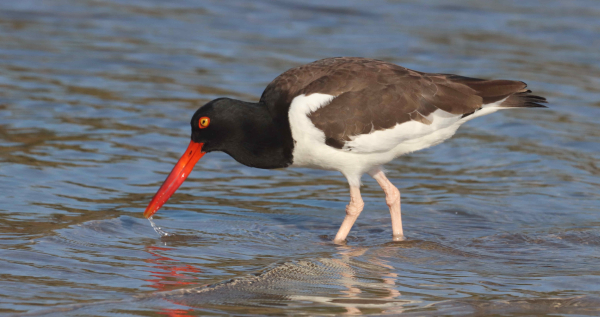
It was one of those magic opportunities that starts with one bird, which leads to another, and the process repeats and expands as you forget about time, immersed in photographing or looking for the next bird until the sunlight begins to fade before sunset. Thereafter, I received a couple surprise emails that contained an assortment of shorebird photographs that my brother Jim took during an especially productive photo session he enjoyed on the Florida Gulf Coast last week. The birds and photos were individually and collectively very impressive, both for the diversity of species and the quality of the images.
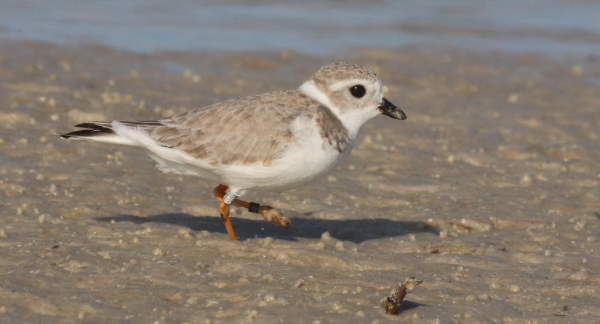
Almost immediately I thought they would make great illustrations for this Bird Photography feature, so checked with Jim for his approval and for a little background information that I could use to craft a short storyline. His classic combination of birding photo equipment included a Canon100-to-400mm IS (image stabilized) zoom lens with a Canon camera body. And Jim had a few simple suggestions that helped him while photographing:
– Keep your distance from the birds.
– Get low when possible to show the birds at their level, their eye level.
– Emphasize a fast shutter speed and wide area of focus.
– Don’t press the birds.
– Keep the sun positioned directly behind you whenever possible.
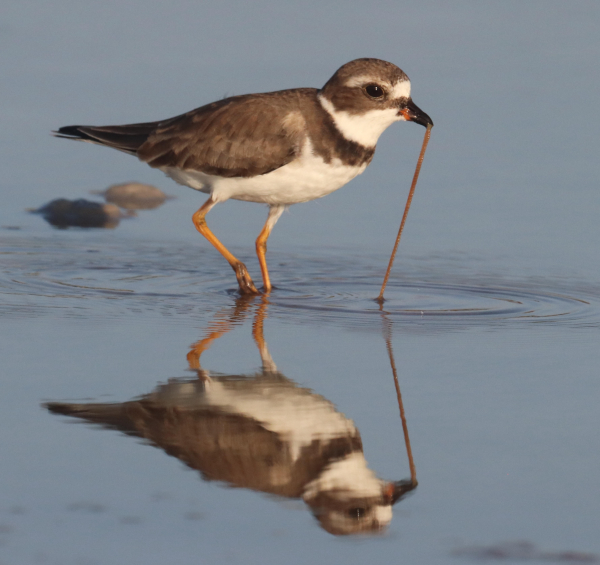
After many years in the Minneapolis area, Jim and his wife Rose moved to a suburb of Tampa about a year ago – a big change that has provided new “neighborhood birds” to photograph at new destinations in Florida. Rose and Jim like to visit Fort De Soto Park regularly, and Jim noted that he hadn’t seen the numbers or variety of shorebirds during previous visits. I suggested it was probably that the timing of their visit coincided with low tide, which provided access to mudflats, sandy shorelines, and shallows for shorebirds to forage.
The concentration of shorebirds also coincided with ample afternoon sunlight, and notice that there are few indications of any shadows in the photos, which indicates perfect positioning and perfect timing. In short, Jim hit the jackpot, and enjoyed the opportunity to photograph during this surprise of sandpipers, plovers, godwits, willets, and oystercatchers. In addition to the birds that illustrate this article, there were Pectoral Sandpipers, Greater Yellowlegs, Black-bellied Plovers, and Ruddy Turnstones, along with Black Skimmers, Sandwich Terns, Elegant Terns, Laughing Gulls, Reddish Egrets, Great Blue Herons, White Ibis, and more that created the fun time Jim had among them. A gateway site for The Great Florida Birding Trail, Fort De Soto Park is located south of St. Petersburg west of Tampa Bay.
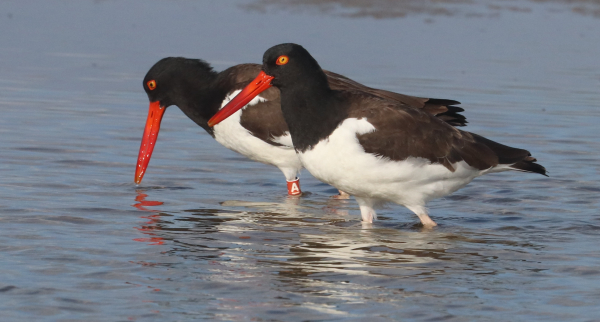
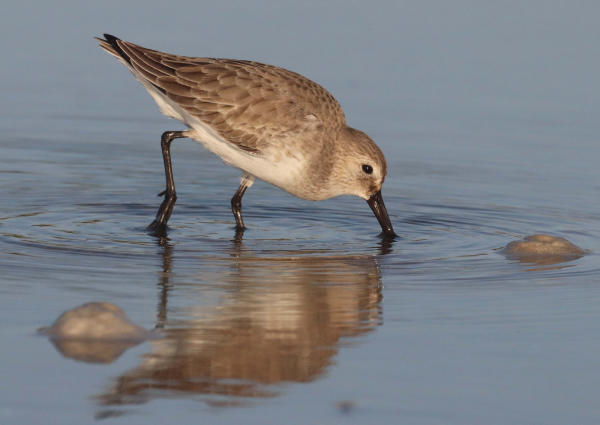
I enjoyed seeing Jim’s photos and wanted to share them with you, perhaps providing some inspiration. They did for me, and I also hope I get to photograph at some winter wetlands, beaches, and associated locations sometime soon. These photos have certainly made me think I should be photographing where the water isn’t frozen for months at a time! Oh well, in the meantime I’ve enjoyed photographing Arctic hawks and owls in the semi-Arctic landscape surrounding my office. Good job Jim, thanks for sharing.
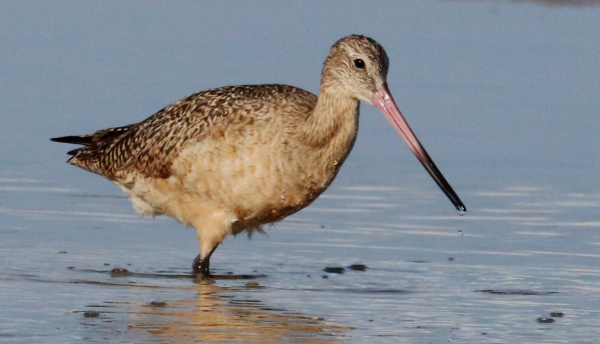
Photographs by Jim Konrad
Share your bird photos and birding experiences at editorstbw2@gmail.com